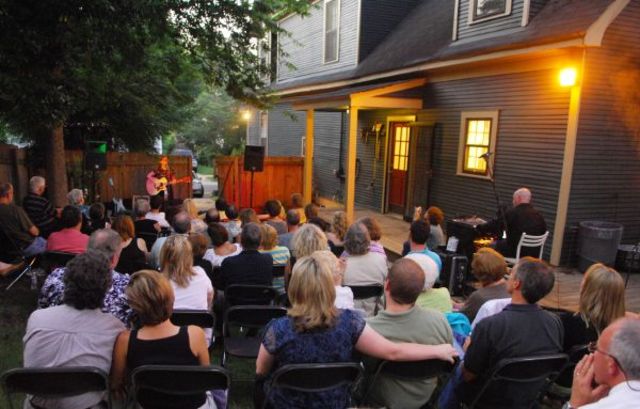
Yesterday we had the first house concert reading in Williamsburg, Virginia. It was a blast! 🙂 My wonderful hosts, MeLaina and Frank (and Maddie and LeiLani and Lorenzo 🙂 ) had prepped everything, and I’m so grateful to them for opening their home and their hearts to me and this new adventure.
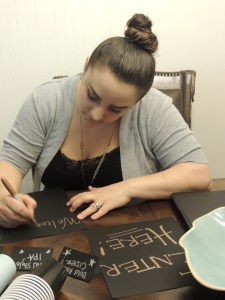
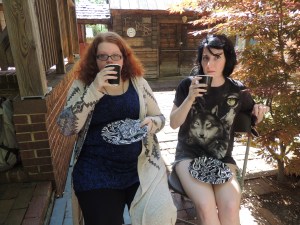
the beautiful poet and my host MeLaina Ramos
I was sooo nervous. Excited. But nervous. In a way that’s different than before other experiences. I’ve given readings. Not tons and tons, but a respectable number, and I’m always a little pace-y, a little twitchy. But this was different. More.
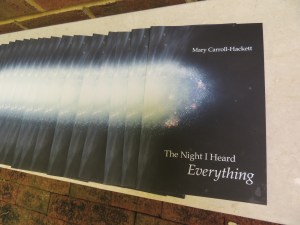
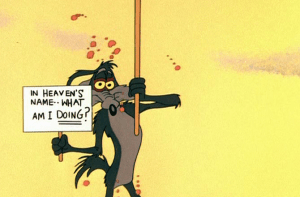
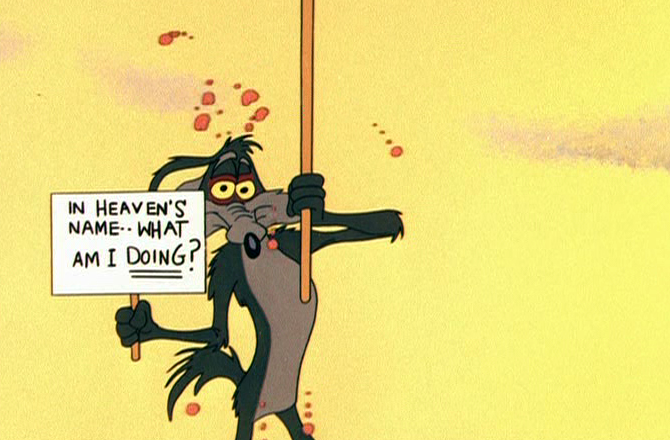
Maybe because it was so unknown. Maybe it’s because I’ve been blabbing and blogging this idea, this new-again salon, this house concert reading model, and so if it fell apart around me, it was gonna be in a big ol’ public way. 🙂 But yeah, I’ve had that happen before, time and again over my life—set off on some crazy idea I have only to have the timing or the powers that be or the universe slam a big old brick wall down in front of me to run face-first into in the same grand tradition from my childhood of that coyote chasing that roadrunner.
But I really think a large part of the nervousness was how badly I want this to work, not just for me, but for poetry and poets in general. I don’t want to feel at the mercy of someone or something else when it comes to controlling my creative life or defining my success. And in ways that matter to me more than I can express, I don’t want my students to feel that kind of helplessness. I want them to stay excited about the work and the business of being an artist. I want them feel empowered and hopeful about sharing their work with the world.
But to do that, I have to be honest, with myself, and with them, about the state of being a poet these days. And we have to be honest about why we’re doing this in the first place:
I want to be read.
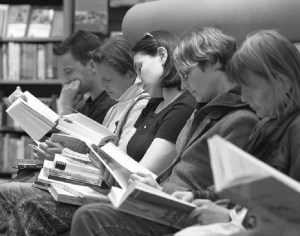
I’ve heard all kinds of reasons artists give for making their art, for living the writer’s life. And I’m not trying in any way to diminish what any writer says he or she wants from the creative life they’re living or making. But I would challenge any writer to deny that at the heart of what we do burns the desire to be read.
And if we want to be read, we have to make art, but we also have to sell art. We have to be business savvy.
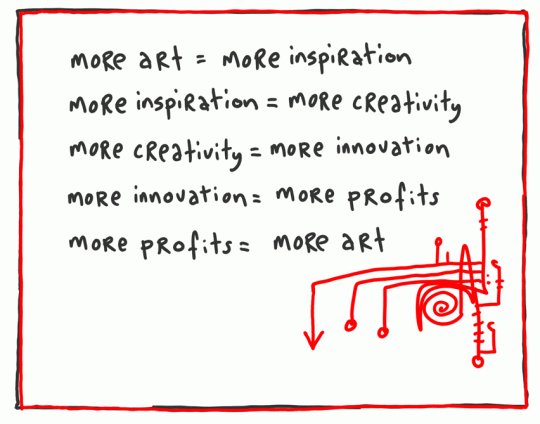 We have to learn to be as creative and fearless in the getting-art-out-there part as we are in getting the words on the page.
I tell my students a story I heard years ago, not even sure where I heard it now, about a study done by a psychology department on luck. I would cite the source if I could remember it, but it went something like this: A large group of test subjects were asked if they believed in luck, if they thought they were lucky or not. The group was split between those who did believe in luck, and a smaller break out between whose who didn’t believe they personally were lucky, and those who didn’t believe in luck at all. Belief parameters established, they walked the test subjects through an area in which they had planted ten, twenty, and fifty dollar bills. At a rate of more than eight to one (those are the numbers I remember from my first hearing anyway….), the people who believed they were lucky spotted the planted money.
Where this study actually took place, or when, or whether the numbers are right or not (I can’t even recall the teacher who told it to me), the point, I believe, is how much our perception feeds and manifests our passions into reality. What we call luck, I believe, is something we have way more control over than we generally believe, particularly if we’re willing to take risks and get creative, in both how we define our success and how we pursue it—and more importantly, I think, in how we perceive ourselves.
Yes, I’m an artist. But I also have to be a business person, in the business of promoting my art, both my own individually, and that of others in my field. In my case, that means writers. For me personally, it especially means promoting poetry. Or what many call the Po-Biz.
What is the Po-Biz? It is networking, submitting, editing; revising, getting rejected, submitting again, doing anything you need to do to get your poems out into the hands of the readers.
You know, in journals, online, at conferences. Out there. In the world. In the poetry world.

Which we’ve been told repeatedly is dead.
So maybe it’s time to rethink what this Po-Biz is.
“In a crisis, creativity is more important than ever,” says Jerry Wind, a marketing expert and professor at the Wharton School of the University of Pennsylvania. “Companies fail when they stagnate and become complacent.”
And if we’re gauging on book sales, poetry is arguably in crisis. Maybe it’s time to pay a little more attention to Biz part of all this.
Poetry publishers do the best they can on their end, most of them taking on the whole task as a labor of love, putting their own resources and energy into the creation of the very books we as writers covet having with our names on the front. So how are we, as individual artists, doing our part?
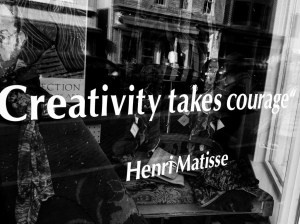
I love what Michael La Ronn says about this in his blog The Business of Poetry,“In the digital age, each of us is responsible for our own destiny. A successful career means approaching the industry like an entrepreneur—or a poetrypreneur, if you will. The poetrypreneur lives at the intersection between art and commerce.”
Commerce—that’s the part we don’t want to think, or talk about. But we have to, don’t we?
We live in a culture of commodification, and as much as we sooooo don’t want to think of or talk about our beloved poetry as a commodity, we do, in the face of this crisis, have to think and talk about value.
Not just the intrinsic value we know poetry to have, both for the individual and the culture as a whole, the beauty and solace it can bring to our lives, but value in the commerce-based culture in which we’re creating it.
How are we, as the makers, defining that value? Or are we letting others define it for us, while we stand by and mourn their (whoever they are—publishers, critics…) decisions?
And how do we bring what we do back into a place where it’s valued in our culture?
No one’s writing a never-ending eulogy for indie music; so why poetry? I think it has to do, at least partly, with the message we ourselves are sending.
Musicians don’t play only for other musicians. Nor do painters or photographers or illustrators only promote their work to other visual artists.
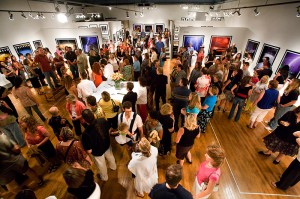
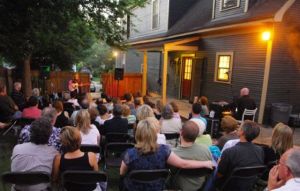
Our brothers and sisters in the other areas of the arts are out in the world, not just the arts world, but the world at large. They’re out there getting their hustle on, chasing down commissions and gigs, and more, for the most part—at least way more often than we are–they’re negotiating payment. They expect to be paid. Sure, everyone starts out paying some dues and rolling some freebies for exposure, but as the hard work and the training and the artistic maturity progresses, artists in other disciplines do something that I don’t think we, as poets, always do:
They send a clear message that the work they do has value.
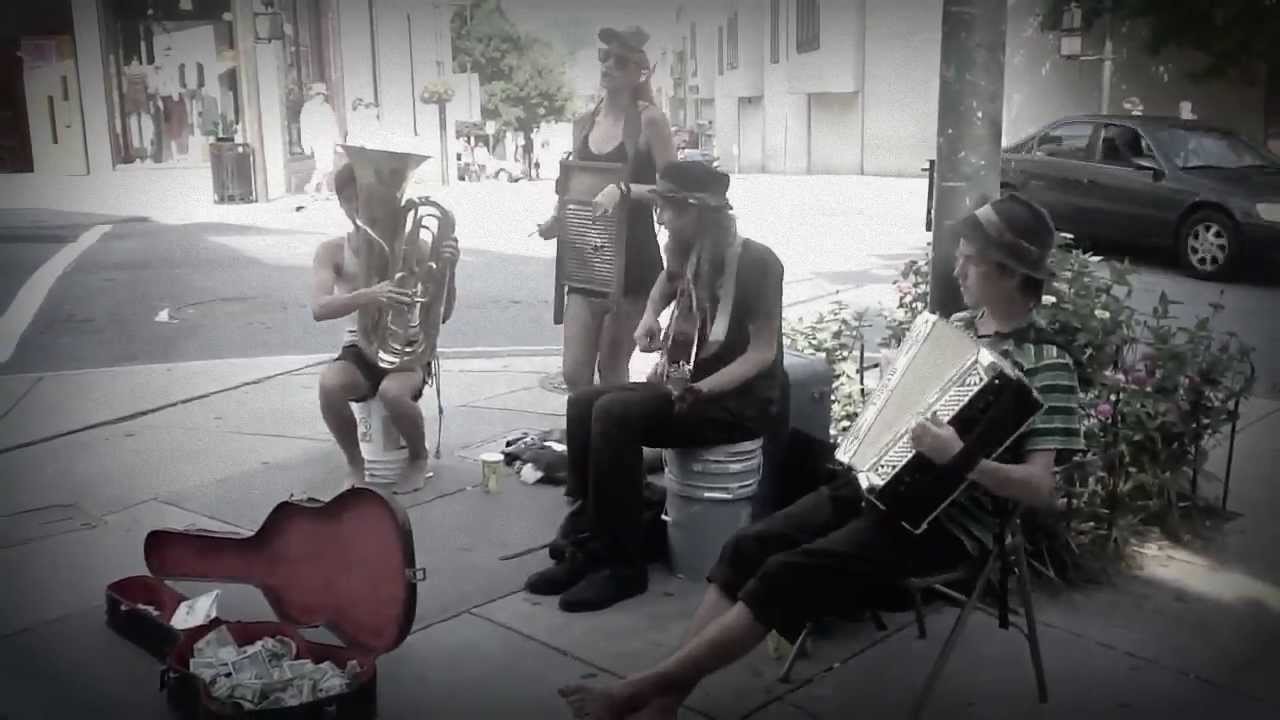
Even buskers throw open the guitar case for monetary donations, sending that same message: If you like what I do, here’s how you express your appreciation for its value.
One of the best discussions I’ve seen about artists taking responsibility and control of defining the value of what we do is Molly Priesmeyer’s article for the StarTribune from October 2014, its straight-forward title exactly embodying one of the central challenges I think we face: “Artists: Quit Givng Your Work Away For Free.”
She writes, and I agree, that “artists have a real role in how they define the value of their own work. Years ago, there was a magazine here in town that claimed the main “payment” for its writers was prestige and exposure. Meanwhile, the magazine sold the other side of those written “prestige” pages for big ad dollars. Someone was making money, and it certainly wasn’t the writers. The new writers may have longed for the exposure, but by donating work to a for-profit magazine, they only served to devalue the work of all writers everywhere.”
She goes on to conclude that “by continuing to give it away for virtually free, we only serve to give more value to the things that don’t matter. And we help reinforce the wrongheaded idea that art and creativity are hobbies, not something that has real value to our communities.”
Yes, not everything can be commodified. And yes, we don’t go into poetry for the money. But we do, as writers, complain a lot about the fact that it isn’t valued in the larger market, without, I believe, thinking through and getting really honest about what that word value really means in all its permutations.

Yesterday’s first poetry house concert embodied all my own personal beliefs of the value of poetry as a whole.
Shared emotional communication of the kind only poetry can do.
Community. Celebration. Conversation. And real-by-gawd-book-buying Readers.
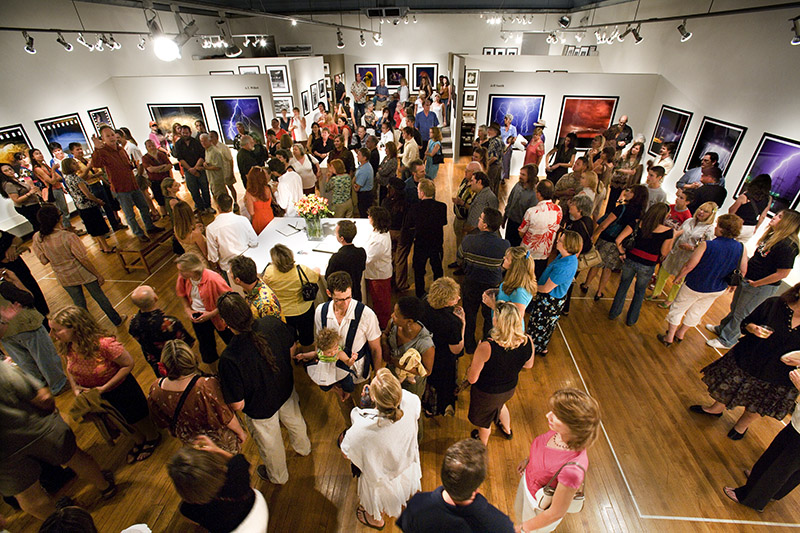
In a perfect Mother’s Day weekend atmosphere of celebration, complete with my host’s beautiful babies scampering through the flowers and snitching peanut butter cookies from the refreshment table, around twenty people came together among the brilliant blaze of azalea and rhododendron to get this crazy tour started.
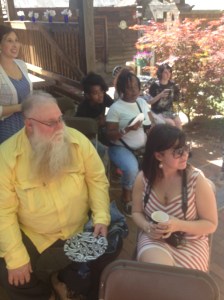
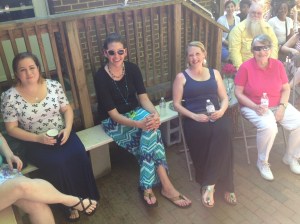
Some of the guests I knew, former students. Several brought their own moms, an added delight to an already beautiful day. Others were friends of my host, and neighbors, and coworkers, new friends to me now, and new or back-again readers of contemporary poetry.
Each attendee made a donation as they entered MeLaina’s gorgeous Birdhouse back yard, willing and happy they told me over the day, to support a local artist, to have the experience of sharing that time and space together.
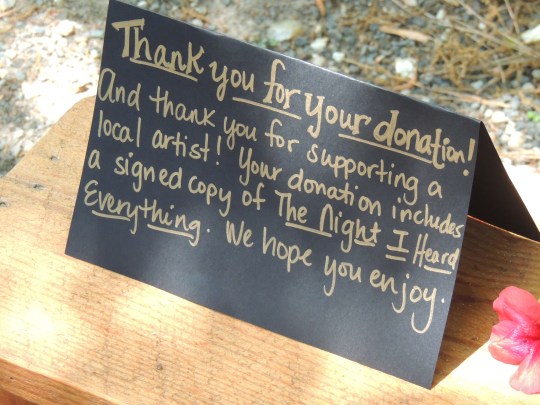
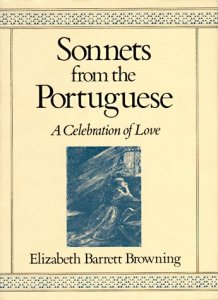
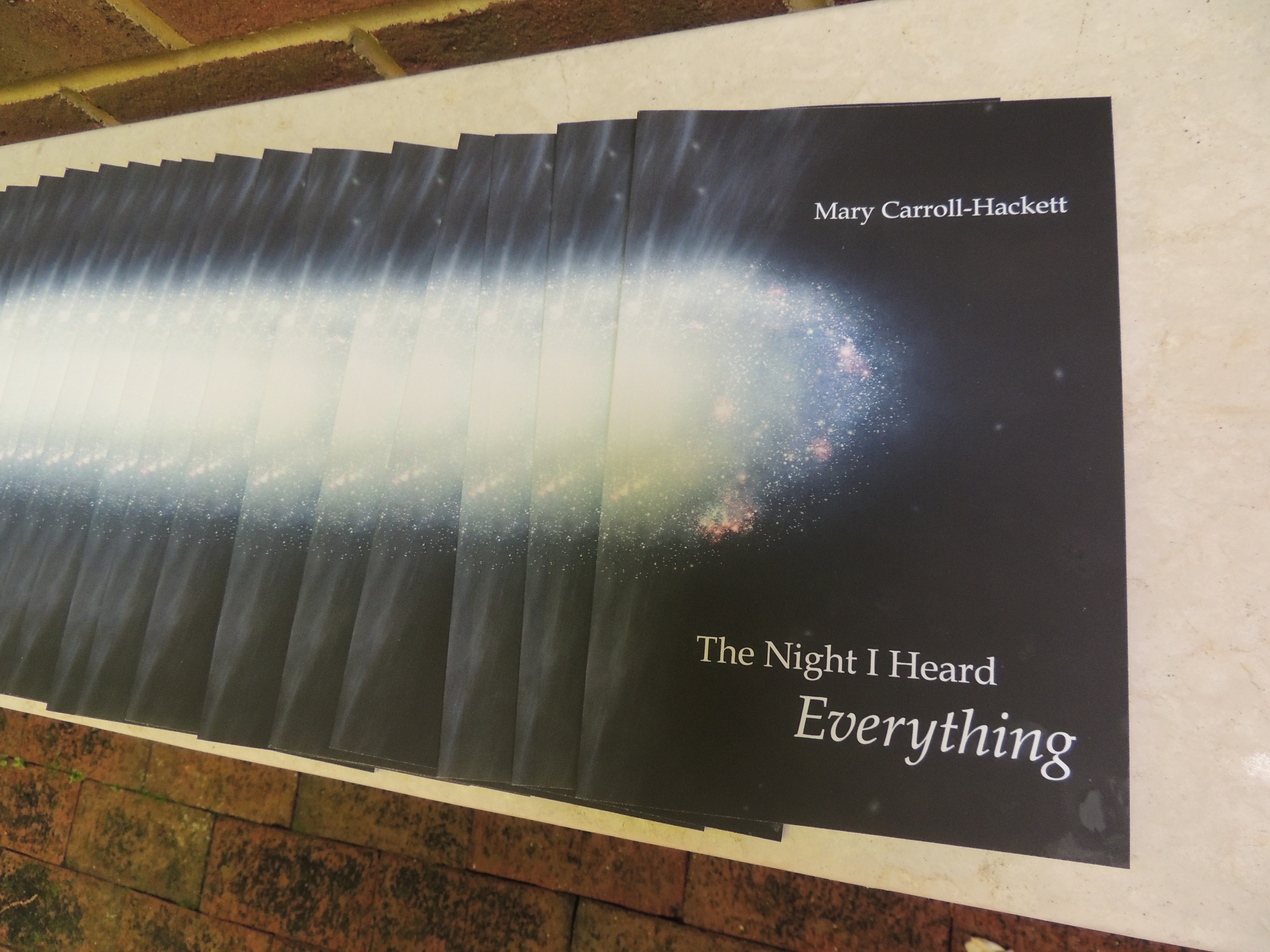
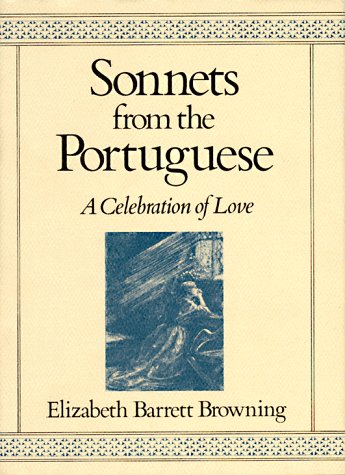
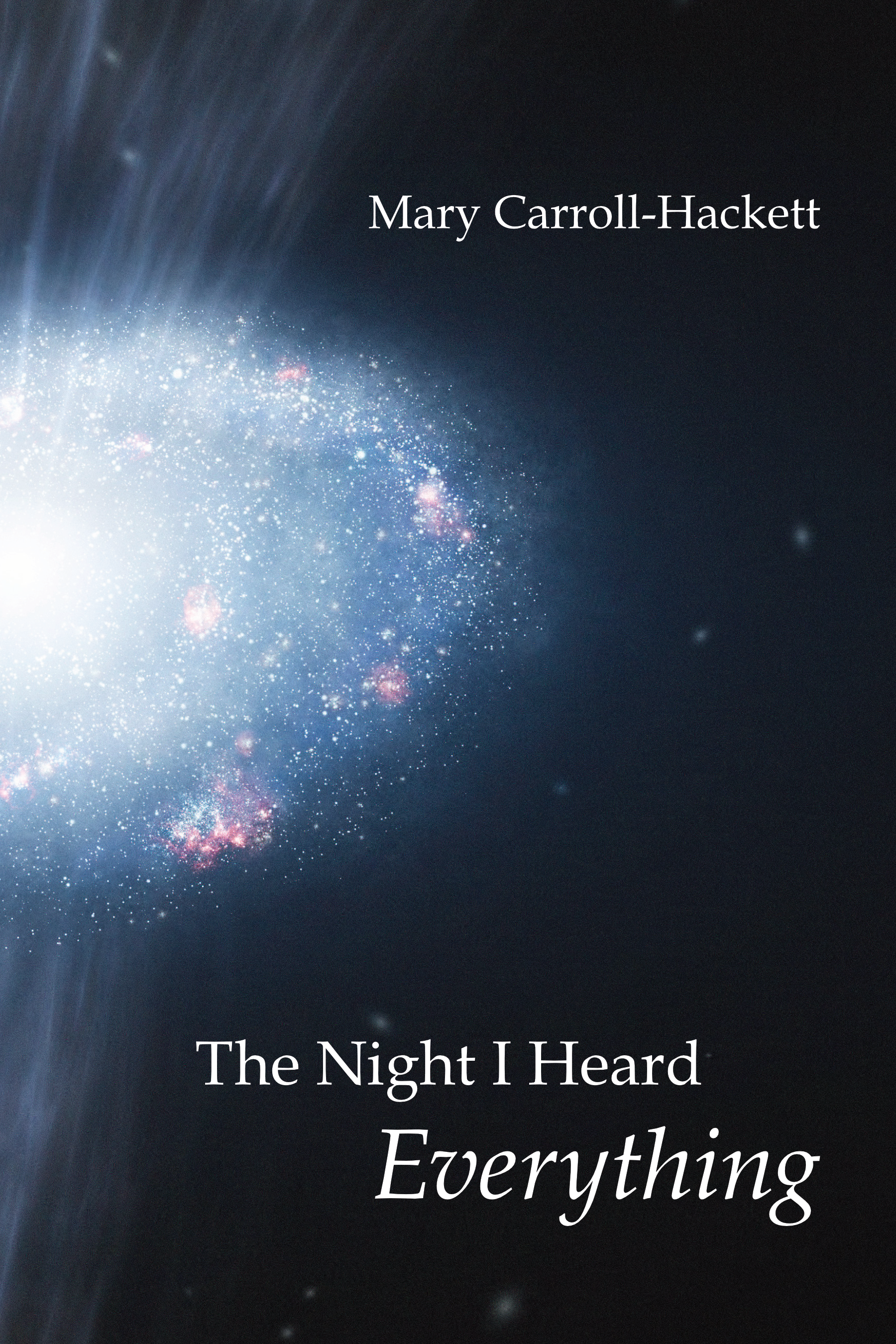
We shared food, time, such good talk, and poetry, not just the work I read, but in the one on one conversations after, as I inscribed twenty copies of The Night I Heard Everything, I heard stories of the poetry and poets they remembered from childhood, the memories of middle school teachers who read poetry to their classes. One beautiful elder told me in the softest voice about the reading of Sonnets From the Portuguese 43 at her wedding sixty years ago.
Leah, a bubbly middle school teacher, told me how she had gone to readings while she was in college, and how much she missed gatherings like the laughter-filled crowd we stood in at that moment. She made me promise that if I had another book come out, I’d come back and do it all again.
Ain’t gonna lie 🙂 If you know what a moosh I am, I couldn’t anyway. I got a little weepy signing some of those books, so grateful for their generosity, so grateful for the moment, so grateful for poetry being in my life.
Fifteen copies of the book accompanied the day’s donations. Another five or so people who came had already bought copies of the book online and brought those copies with them for me to sign.
Twenty new readers 🙂
And I made a couple hundred dollars. Um, on poetry 🙂
And given the questions I was asked about what other poets I love and would suggest, perhaps one of the benefits of this was also a new group of people who before might not have checked out the poetry shelves at a bookstore, but who now just might.
The readers are out there. But we have to change how we find them and put poetry directly into their hands.
One of the moments that reassured me that this crazy idea just might fly, happened when one of the people there at the reading, a beautiful young woman, one of my alums with a growing body of publications herself, talked to me about maybe beginning to put her own first book together. I told her I’d help her any way I can. She glanced around where we sat at the people laughing and talking, each of them holding a copy of my new book in their hands, and she said, “If I get a book, maybe I could do this kind of reading too?”
I grinned, feeling my heart fill up, and patted her hand, saying, “Yep, sure could, couldn’t you?”
So…how’d the first poetry house concert work out?
After all these years of elbowing my students about that proverbial $20 on the ground they might be missing, of telling them not to be afraid to create their own opportunities, to promote their passions, to dare to trust their art and their hearts, I’d say it all turned out just as wonderful as I had hoped 🙂
Can’t wait for the next one! May 23rd, Raleigh, NC 🙂 Have poetry! Will travel!
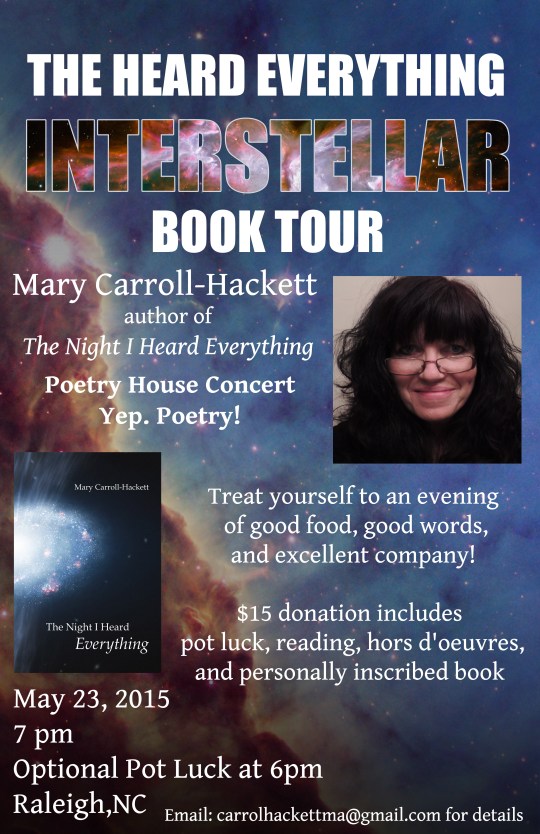
Love and good words, y’all ❤
Mary
______________________________________________________
Links to Cool People and Reads Mentioned Here ❤
MeLaina Ramos rockin over at PostPartum Poet: https://postpartumpoet.wordpress.com/2015/05/01/staying-afloat/?fb_action_ids=10100624553890867&fb_action_types=news.publishes&fb_ref=pub-standard
http://www.michaellaronn.com/business-poet-future-poetry-part
http://blog.startribune.com/artists-quit-giving-away-your-work-for-free/279832462/
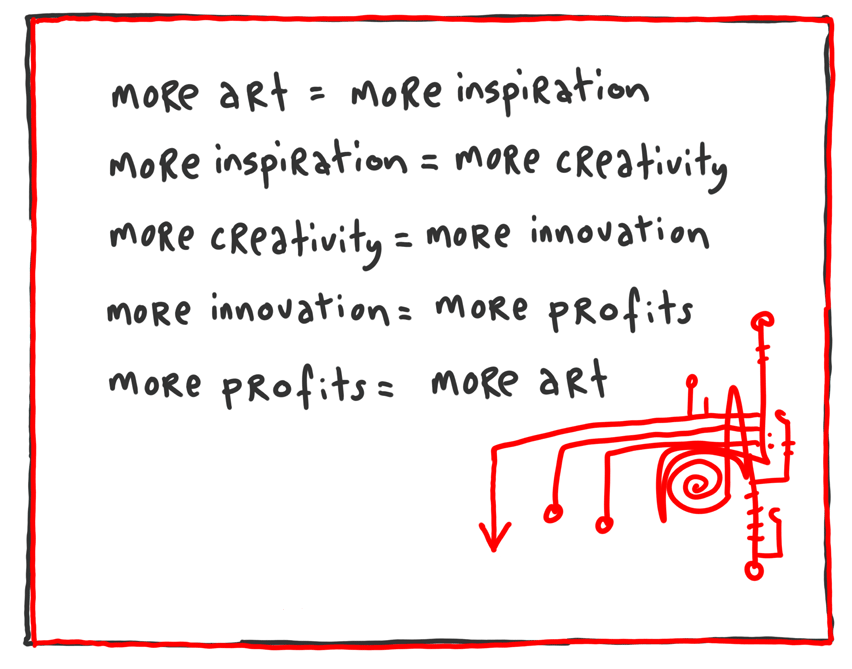
http://gapingvoid.com/what-is-the-roi-of-art-in-business/



 Mary Carroll-Hackett: Poetry and Prose
Recent Comments