"This work is unlike any other, in its range of rich, conjuring imagery and its dexterity, its smart voice. Carroll-Hackett doesn’t spare us—but doesn’t save us—she draws a blueprint of power and class with her unflinching pivot: matter-of-fact and tender." —Jan Beatty

Posts tagged ‘author’

Monday Must Read! Lennart Lundh, So Careless of Themselves, and Poems Against Cancer


Mac's Backs, June 2014, by Jen PezzoThis week, meet Lennart Lundh, the author of six poetry chapbooks. Four Poems, Pictures of an Other Day, and So Careless of Themselves were published by Writing Knights Press. Fifth April 1975, an extended poem written during the American bombing of Cambodia, is self-published. Poems Against Cancer 2014 and Poems Against Cancer 2015 were written and distributed as fundraisers for the St. Baldrick’s Foundation and its research into childhood cancers.

Len’s poetry has appeared in print since 1967, and online since the turn of the century. In the last year and a half, his work has been found in the real or virtual pages of Binnacle, Children Churches and Daddies, Copperfield Review, Crisis Chronicles, Drunk Monkeys, Hessler Street Poetry 2015, Liminal Age, NonBinary Review, Poetry Quarterly, Poetry Storehouse, River Poets Journal, Silver Birch Press projects, and anthologies from Writing Knights Press. He reads regularly at Lit by the Bridge, Traveling Mollies, Waiting for the Bus, and Waterline Writers in the Chicago area. Three or four times a year, he can be found featuring at various venues in Ohio.

He is also a historian (five books and a score of articles between 1984 and 2002) and short-fictionist. His fiction has appeared in Coffee Shop Blues, Ethereal Tales, Flashquake, Inkburns, Jet Fuel Review, Liar’s League, Litro, Mocha Memoirs, NonBinary Review, Page & Spine, postcard poems and prose, Quotable, River Poets Journal, SmokeLong Quarterly, Song of the Siren, Stray Branch, and Weird Lies. A short-fiction chapbook, After the Wolves, is scheduled to appear from Writing Knights Press this year.

Len and his wife of 47 years, Lin, live in northeastern Illinois.

One of these days, Lennart will have a Web site.

He is on Facebook at https://www.facebook.com/lennart.lundh.5

Audio and video files of his work can be found on YouTube and Soundcloud.

To order his books from Writing Knights Press, go http://writingknights.bravesites.com/

To order his self-published chapbooks, contact Len at lenlundh@aol.com. Please note that all proceeds from Poems Against Cancer 2014 and Poems Against Cancer 2015 will go to the St. Baldrick’s Foundation.

Friday Call for Submissions Love! Houseguest: The Common & The Strange

Friday Call for Submissions Love!

Houseguest

About

Houseguest: House, Guest. As our name implies, we are interested in the juxtaposition of the common and the strange: the stranger that enters, that invades even as it’s invited, that may never truly leave. As a culture, we are ambivalent about houseguests, and ambivalent about ambivalence.

Here at Houseguest, we value ambivalence. We appreciate uncertainty. We espouse contradiction. We love thresholds—liminal spaces and surreal situations—and watching what gets through, what gets in. We welcome the Welcome Unwelcome.

We welcome anything you see fit to send us, provided it has not been previously published elsewhere.


Submissions

Houseguest is published three times a year in March, July, and November. We accept submissions year-round. We allow simultaneous submissions, but we ask that you let us know immediately if your work is accepted elsewhere.

Prose submissions should be typed, double-spaced, in an easy-to-read 12 pt font. Please limit your submission to 1000 words. Technically, we accept micro-nonfiction and flash fiction, but we aren’t overly concerned with categories. Be our guest: blur the lines.

Poetry submissions should be typed, single-spaced, in an easy-to-read 12 pt font, and formatted as a single document. Please limit your submission to five or fewer poems and include your contact information in the header of each page. All lengths and styles of poetry will be considered.

We acquire first serial rights for all work we publish. All rights revert to the author upon publication, though we ask for acknowledgement upon reprinting.

We currently accept submissions through our online submissions manager, known more commonly as email.

Submit to submission@houseguestmag.com


Website: http://www.houseguestmag.com/issue-03/current.php

Guidelines: http://www.houseguestmag.com/submission.php

New Work Up at Hound Lit

New poem publication up at HOUND Lit 🙂 Thrilled to be included. Love this publication 🙂

http://www.houndlit.com/mary-carroll-hacket-when-dirt-is-hunger

Monday Must Read! Erica Plouffe Lazure, Heard Around Town

ericaMust Read Monday! Erica Plouffe Lazure, Heard Around Town

This week, meet Erica Plouffe Lazure, author of the flash fiction collection, Heard Around Town, winner of the 2014 Arcadia Fiction Chapbook Prize. Another fiction chapbook, Dry Dock, was published by Red Bird Press in Spring 2015.

Her fiction has appeared in McSweeney’s Quarterly Concern, the Greensboro Review, Meridian, American Short Fiction, The Journal of Micro Literature, Fiction Southeast, Flash: the International Short-Short Story Magazine (UK), and elsewhere. She lives and teaches in Exeter, NH

Erica’s website: ericaplouffelazure.com

Erica’s books!

Pre-order Heard Around Town:

http://www.arcadiamagazine.org/#!product/prd15/4198023721/heard-around-town-pre-order

Get Dry Dock: http://www.redbirdchapbooks.com/store/p181/Dry_Dock_by_Erica_Plouffe_Lazure.html

Interview with Erica at American Short Fiction: http://americanshortfiction.org/2014/09/07/online-fiction-interview-erica-plouffe-lazure/

Interview with Erica at One Bike, One Year, by the fabulous Devi Lockwood:

https://onebikeoneyear.wordpress.com/2015/01/22/interview-with-erica-plouffe-lazure/

Read more from Erica online:

MadHat Lit: http://madhatlit.com/red-thread-erica-plouffe-lazure/

Smokelong Quarterly: http://www.smokelong.com/smoking-with-erica-plouffe-lazure/

Black Heart Magazine: http://blackheartmagazine.com/2014/11/06/hickory-wind-by-erica-plouffe-lazure/  

Happy Reading!

xo

Mary

Monday Must Read! Julie Brooks Barbour, Small Chimes

Monday Must Read!

pic (17)

This week meet Julie Brooks Barbour, the author of Small Chimes (Aldrich Press, 2014) and two chapbooks: Earth Lust (2014) and Come To Me and Drink (2012), both from Finishing Line Press.

She is a recipient of an Artist Enrichment Grant from Kentucky Foundation for Women and a residency at Sundress Academy for the Arts. Her poems have appeared in Waccamaw, Four Way Review, diode, storySouth, Prime Number Magazine, burntdistrict, The Rumpus, Midwestern Gothic, Blue Lyra Review, and Verse Daily.

She is co-editor of the journal Border Crossing and an Associate Poetry Editor at Connotation Press: An Online Artifact. She teaches composition and creative writing at Lake Superior State University. 


Julie’s website: http://www.juliebrooksbarbour.com


Where to get Julie’s book Small Chimes:

http://www.amazon.com/Small-Chimes-Julie-Brooks-Barbour/dp/0615993508/ref=sr_1_1?s=books&ie=UTF8&qid=1435575777&sr=1-1&keywords=julie+brooks+barbour


Check out Earth Lust!

https://finishinglinepress.com/product_info.php?products_id=2113


Come to Me and Eat

https://finishinglinepress.com/product_info.php?products_id=723


More from Julie online:

At Connotation Press: http://www.connotationpress.com/poetry/1793-julie-brooks-barbour-poetry

At Negative Capability: http://www.negativecapabilitypress.org/blog/2015/3/22/featured-poet-julie-brooks-barbour

At Verse Daily:  http://www.versedaily.org/2012/aboutjuliebrooksbarbour.shtml


A Great Interview with Julie:

http://www.lauramadelinewiseman.com/blog/2014/07/28/the-chapbook-interview-with-julie-brooks-barbour-on-retellings/


Happy Reading!

xo

Mary

First Interstellar Poetry House Concert Rocks! (Or Hey—You See That $20 Bill Over There On The Ground?)

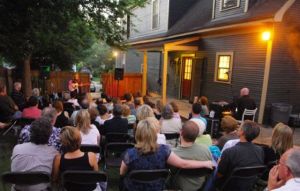
Yesterday we had the first house concert reading in Williamsburg, Virginia. It was a blast! 🙂 My wonderful hosts, MeLaina and Frank (and Maddie and LeiLani and Lorenzo 🙂 ) had prepped everything, and I’m so grateful to them for opening their home and their hearts to me and this new adventure.
DSCN4454

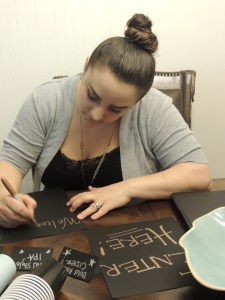
the beautiful poet and my host MeLaina Ramos

I was sooo nervous. Excited. But nervous. In a way that’s different than before other experiences. I’ve given readings. Not tons and tons, but a respectable number, and I’m always a little pace-y, a little twitchy. But this was different. More.
1

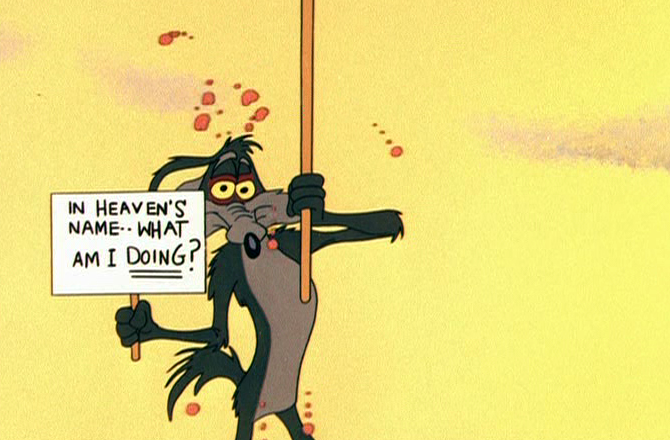
Maybe because it was so unknown. Maybe it’s because I’ve been blabbing and blogging this idea, this new-again salon, this house concert reading model, and so if it fell apart around me, it was gonna be in a big ol’ public way. 🙂 But yeah, I’ve had that happen before, time and again over my life—set off on some crazy idea I have only to have the timing or the powers that be or the universe slam a big old brick wall down in front of me to run face-first into in the same grand tradition from my childhood of that coyote chasing that roadrunner.
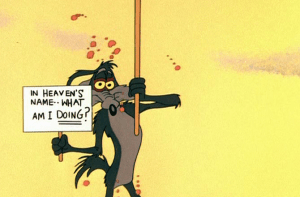
Wile E Coyote hits rock bottom


cj124

But I really think a large part of the nervousness was how badly I want this to work, not just for me, but for poetry and poets in general. I don’t want to feel at the mercy of someone or something else when it comes to controlling my creative life or defining my success. And in ways that matter to me more than I can express, I don’t want my students to feel that kind of helplessness. I want them to stay excited about the work and the business of being an artist. I want them feel empowered and hopeful about sharing their work with the world.

But to do that, I have to be honest, with myself, and with them, about the state of being a poet these days. And we have to be honest about why we’re doing this in the first place:

I want to be read.
Reading8_0

I’ve heard all kinds of reasons artists give for making their art, for living the writer’s life. And I’m not trying in any way to diminish what any writer says he or she wants from the creative life they’re living or making. But I would challenge any writer to deny that at the heart of what we do burns the desire to be read.

And if we want to be read, we have to make art, but we also have to sell art. We have to be business savvy.
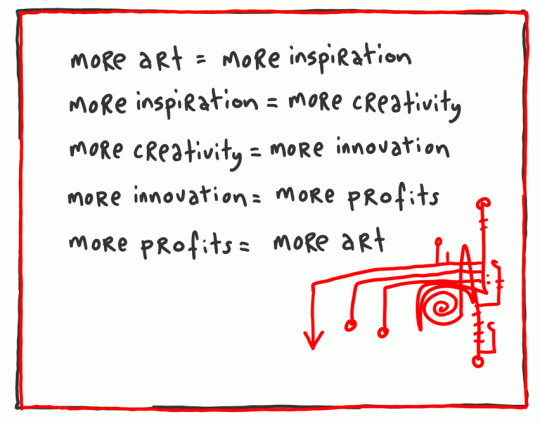
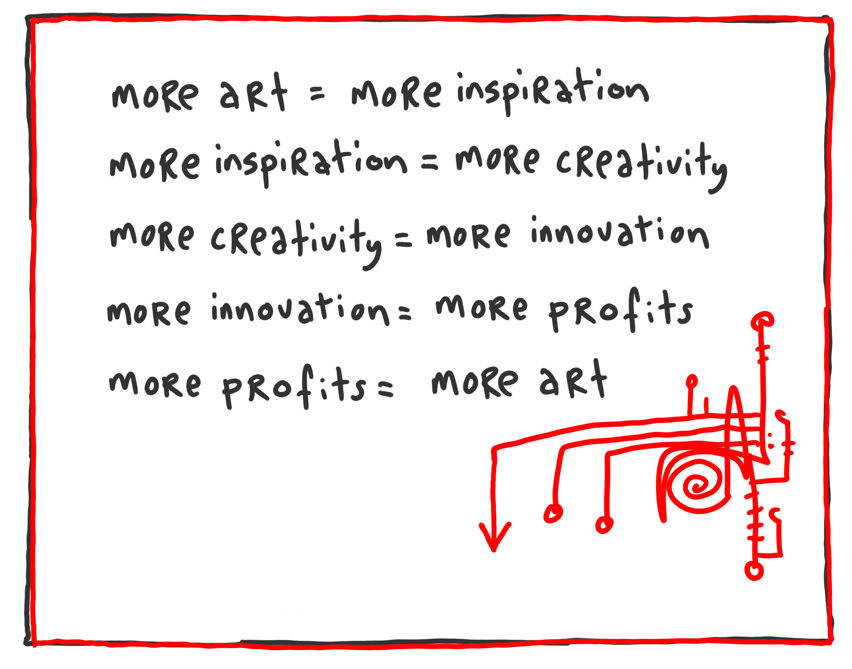
business-needs-more-art1We have to learn to be as creative and fearless in the getting-art-out-there part as we are in getting the words on the page.

I tell my students a story I heard years ago, not even sure where I heard it now, about a study done by a psychology department on luck. I would cite the source if I could remember it, but it went something like this: A large group of test subjects were asked if they believed in luck, if they thought they were lucky or not. The group was split between those who did believe in luck, and a smaller break out between whose who didn’t believe they personally were lucky, and those who didn’t believe in luck at all. Belief parameters established, they walked the test subjects through an area in which they had planted ten, twenty, and fifty dollar bills. At a rate of more than eight to one (those are the numbers I remember from my first hearing anyway….), the people who believed they were lucky spotted the planted money.
photo-2

Where this study actually took place, or when, or whether the numbers are right or not (I can’t even recall the teacher who told it to me), the point, I believe, is how much our perception feeds and manifests our passions into reality. What we call luck, I believe, is something we have way more control over than we generally believe, particularly if we’re willing to take risks and get creative, in both how we define our success and how we pursue it—and more importantly, I think, in how we perceive ourselves.

Yes, I’m an artist. But I also have to be a business person, in the business of promoting my art, both my own individually, and that of others in my field. In my case, that means writers. For me personally, it especially means promoting poetry. Or what many call the Po-Biz.

What is the Po-Biz? It is networking, submitting, editing; revising, getting rejected, submitting again, doing anything you need to do to get your poems out into the hands of the readers.

You know, in journals, online, at conferences. Out there. In the world. In the poetry world.

poet

Which we’ve been told repeatedly is dead.

So maybe it’s time to rethink what this Po-Biz is.

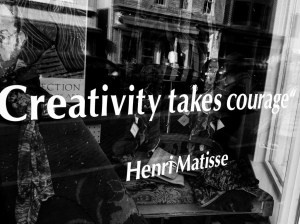
“In a crisis, creativity is more important than ever,” says Jerry Wind, a marketing expert and professor at the Wharton School of the University of Pennsylvania. “Companies fail when they stagnate and become complacent.”

And if we’re gauging on book sales, poetry is arguably in crisis. Maybe it’s time to pay a little more attention to Biz part of all this.

Poetry publishers do the best they can on their end, most of them taking on the whole task as a labor of love, putting their own resources and energy into the creation of the very books we as writers covet having with our names on the front. So how are we,  as individual artists, doing our part?
matisse

I love what Michael La Ronn says about this in his blog The Business of Poetry,“In the digital age, each of us is responsible for our own destiny. A successful career means approaching the industry like an entrepreneur—or a poetrypreneur, if you will. The poetrypreneur lives at the intersection between art and commerce.”

Commerce—that’s the part we don’t want to think, or talk about. But we have to, don’t we?

We live in a culture of commodification, and as much as we sooooo don’t want to think of or talk about our beloved poetry as a commodity, we do, in the face of this crisis, have to think and talk about value.

Not just the intrinsic value we know poetry to have, both for the individual and the culture as a whole, the beauty and solace it can bring to our lives, but value in the commerce-based culture in which we’re creating it.

How are we, as the makers, defining that value? Or are we letting others define it for us, while we stand by and mourn their (whoever they are—publishers, critics…) decisions?

And how do we bring what we do back into a place where it’s valued in our culture?

No one’s writing a never-ending eulogy for indie music; so why poetry? I think it has to do, at least partly, with the message we ourselves are sending.

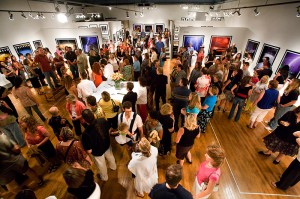
Musicians don’t play only for other musicians. Nor do painters or photographers or illustrators only promote their work to other visual artists.
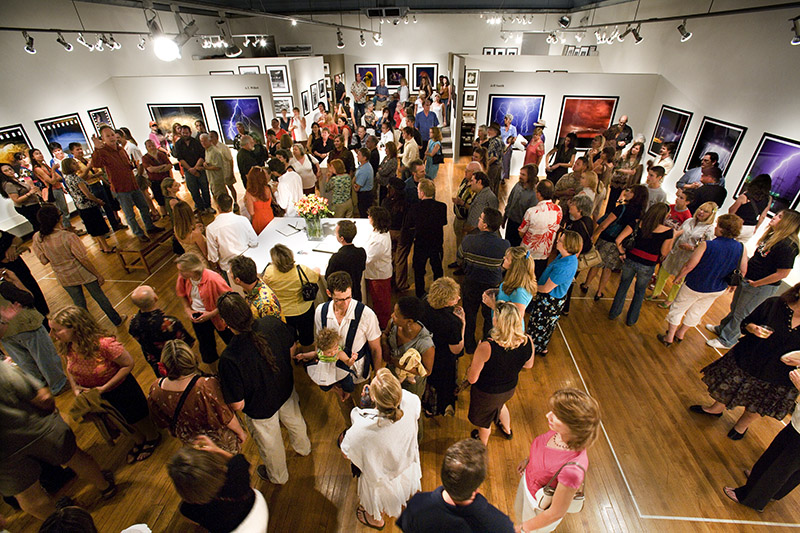
terryetherton_galleryshow cdconcert3

Our brothers and sisters in the other areas of the arts are out in the world, not just the arts world, but the world at large. They’re out there getting their hustle on, chasing down commissions and gigs, and more, for the most part—at least way more often than we are–they’re negotiating payment. They expect to be paid. Sure, everyone starts out paying some dues and rolling some freebies for exposure, but as the hard work and the training and the artistic maturity progresses, artists in other disciplines do something that I don’t think we, as poets, always do:

They send a clear message that the work they do has value.

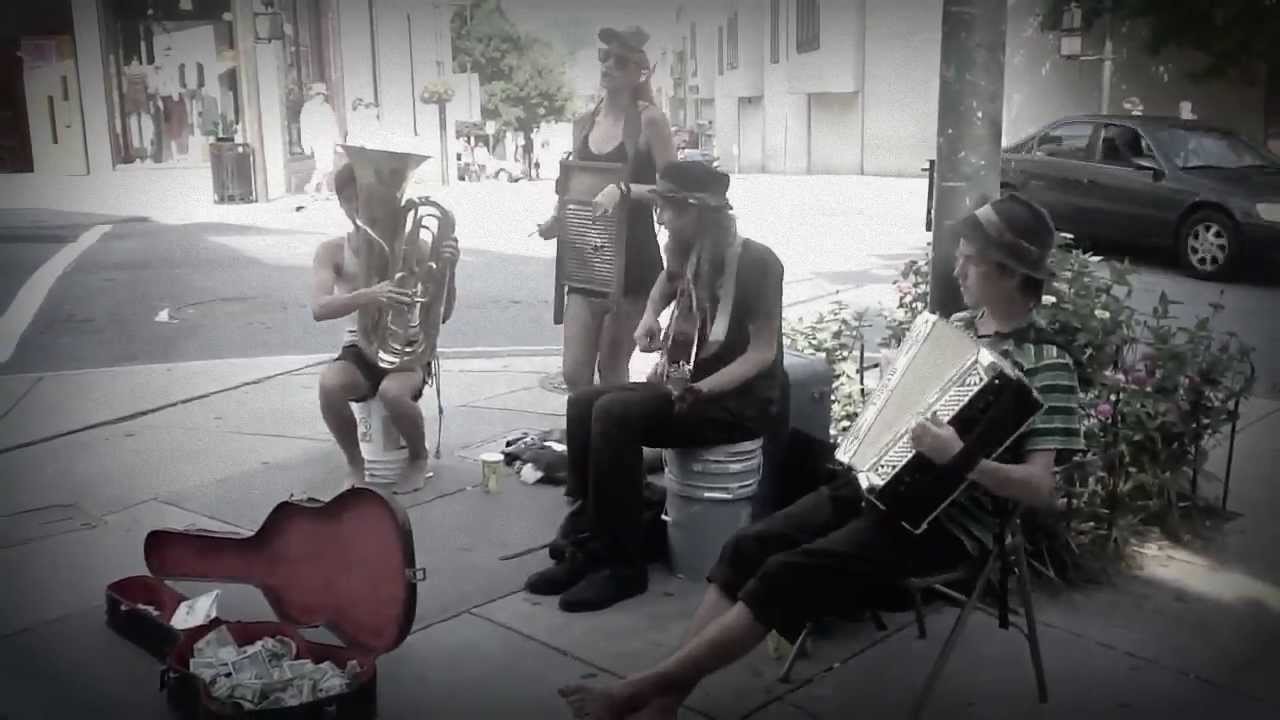
Even buskers throw open the guitar case for monetary donations, sending that same message: If you like what I do, here’s how you express your appreciation for its value.

http://www.ashevillestreetmusic.com/  Carolina Catskins with Washboard Sadie busking Asheville Street Music  Asheville, NC Check out their video here! https://www.youtube.com/watch?v=T0mxherHpxo

http://www.ashevillestreetmusic.com/
Carolina Catskins with Washboard Sadie busking Asheville Street Music
Asheville, NC
Check out their video here! https://www.youtube.com/watch?v=T0mxherHpxo

One of the best discussions I’ve seen about artists taking responsibility and control of defining the value of what we do is Molly Priesmeyer’s article for the StarTribune from October 2014, its straight-forward title exactly embodying one of the central challenges I think we face: “Artists: Quit Givng Your Work Away For Free.”

She writes, and I agree, that “artists have a real role in how they define the value of their own work. Years ago, there was a magazine here in town that claimed the main “payment” for its writers was prestige and exposure. Meanwhile, the magazine sold the other side of those written “prestige” pages for big ad dollars. Someone was making money, and it certainly wasn’t the writers. The new writers may have longed for the exposure, but by donating work to a for-profit magazine, they only served to devalue the work of all writers everywhere.”

She goes on  to conclude that “by continuing to give it away for virtually free, we only serve to give more value to the things that don’t matter. And we help reinforce the wrongheaded idea that art and creativity are hobbies, not something that has real value to our communities.”

Yes, not everything can be commodified. And yes, we don’t go into poetry for the money. But we do, as writers, complain a lot about the fact that it isn’t valued in the larger market, without, I believe, thinking through and getting really honest about what that word value really means in all its permutations.

The word 'Worth' highlighted in green, under the heading 'Value'

Yesterday’s first poetry house concert embodied all my own personal beliefs of the value of poetry as a whole.

Shared emotional communication of the kind only poetry can do.

Community. Celebration. Conversation. And real-by-gawd-book-buying Readers.

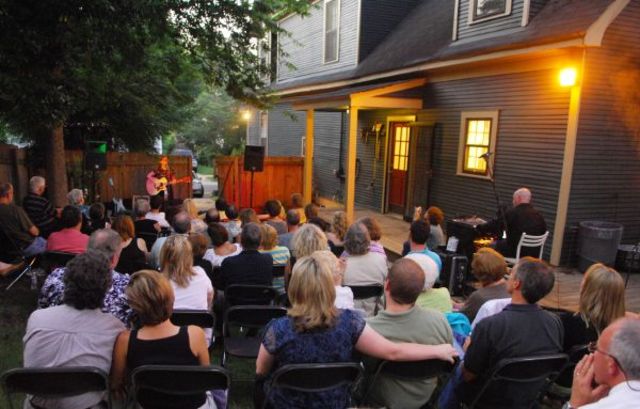
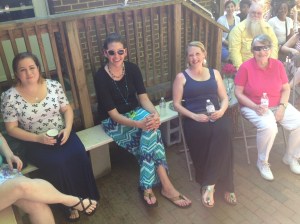
In a perfect Mother’s Day weekend atmosphere of celebration, complete with my host’s beautiful babies scampering through the flowers and snitching peanut butter cookies from the refreshment table, around twenty people came together among the brilliant blaze of azalea and rhododendron to get this crazy tour started.

Some of the guests I knew, former students. Several brought their own moms, an added delight to an already beautiful day. Others were friends of my host, and neighbors, and coworkers, new friends to me now, and new or back-again readers of contemporary poetry.

Each attendee made a donation as they entered MeLaina’s gorgeous Birdhouse back yard, willing and happy they told me over the day, to support a local artist, to have the experience of sharing that time and space together.
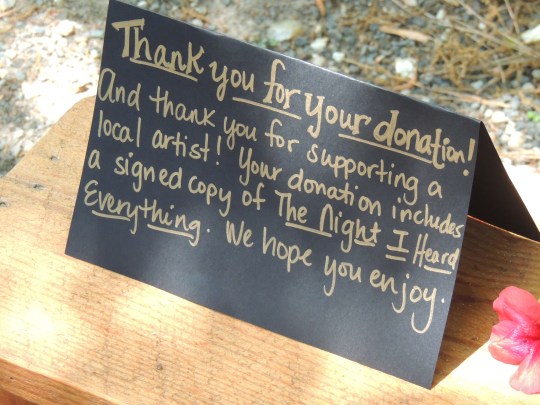
photo12

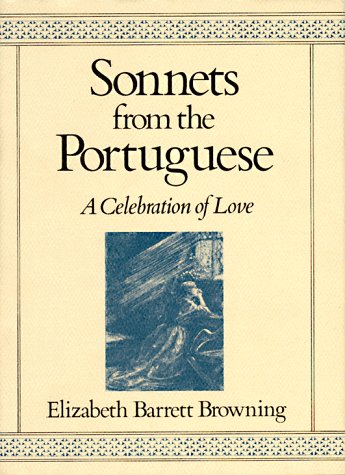
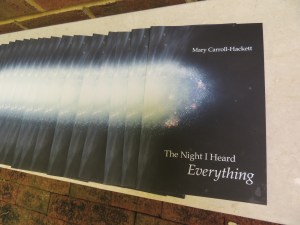
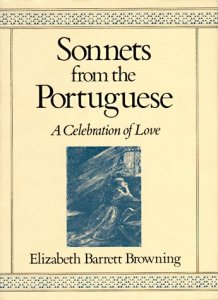
We shared food, time, such good talk, and poetry, not just the work I read, but in the one on one conversations after, as I inscribed twenty copies of The Night I Heard Everything, I heard stories of the poetry and poets they remembered from childhood, the memories of middle school teachers who read poetry to their classes.  One beautiful elder told me in the softest voice about the reading of Sonnets From the Portuguese 43 at her wedding sixty years ago.
sonnetsfromtheportuguese

Leah, a bubbly middle school teacher, told me how she had gone to readings while she was in college, and how much she missed gatherings like the laughter-filled crowd we stood in at that moment. She made me promise that if I had another book come out, I’d come back and do it all again.

Ain’t gonna lie 🙂 If you know what a moosh I am, I couldn’t anyway. I got a little weepy signing some of those books, so grateful for their generosity, so grateful for the moment, so grateful for poetry being in my life.

Fifteen copies of the book accompanied the day’s donations. Another five or so people who came had already bought copies of the book online and brought those copies with them for me to sign.

Twenty new readers 🙂

And I made a couple hundred dollars. Um, on poetry 🙂

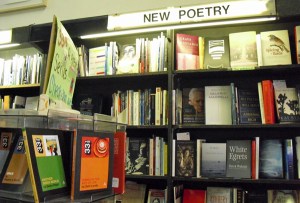
And given the questions I was asked about what other poets I love and would suggest, perhaps one of the benefits of this was also a new group of people who before might not have checked out the poetry shelves at a bookstore, but who now just might.
poetry shelves

The readers are out there. But we have to change how we find them and put poetry directly into their hands.

One of the moments that reassured me that this crazy idea just might fly, happened when one of the people there at the reading, a beautiful young woman, one of my alums with a growing body of publications herself, talked to me about maybe beginning to put her own first book together. I told her I’d help her any way I can. She glanced around where we sat at the people laughing and talking, each of them holding a copy of my new book in their hands, and she said, “If I get a book, maybe I could do this kind of reading too?”

I grinned, feeling my heart fill up, and patted her hand, saying, “Yep, sure could, couldn’t you?”

So…how’d the first poetry house concert work out?

After all these years of elbowing my students about that proverbial $20 on the ground they might be missing, of telling them not to be afraid to create their own opportunities, to promote their passions, to dare to trust their art and their hearts, I’d say it all turned out just as wonderful as I had hoped 🙂

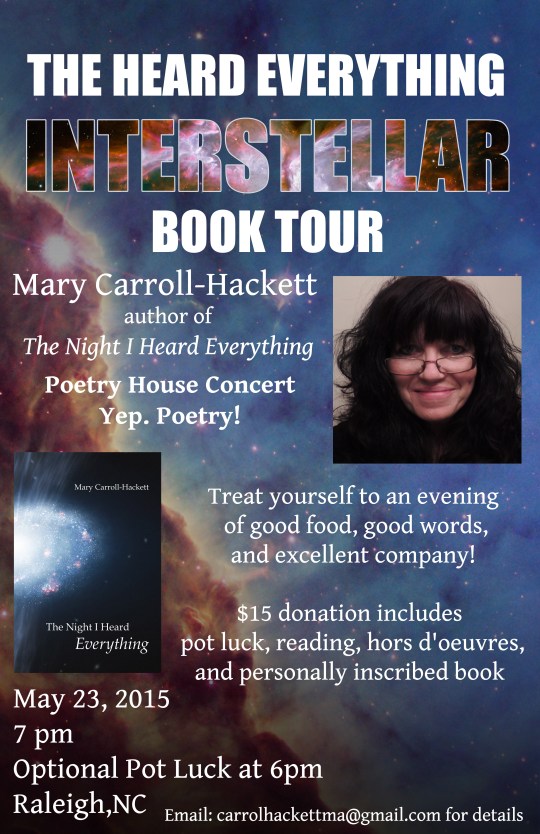
Can’t wait for the next one! May 23rd, Raleigh, NC 🙂 Have poetry! Will travel!
BookTour-2-web (1)

Love and good words, y’all ❤

Mary

______________________________________________________

Links to Cool People and Reads Mentioned Here ❤

MeLaina Ramos rockin over at PostPartum Poet: https://postpartumpoet.wordpress.com/2015/05/01/staying-afloat/?fb_action_ids=10100624553890867&fb_action_types=news.publishes&fb_ref=pub-standard

http://www.michaellaronn.com/business-poet-future-poetry-part

http://blog.startribune.com/artists-quit-giving-away-your-work-for-free/279832462/

http://gapingvoid.com/what-is-the-roi-of-art-in-business/
 

Looking For My Parents (or What To Do About the Washington Post’s Claim That Poetry Is Dead?)

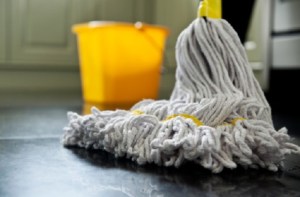
One of my earliest memories is of my mama mopping, in that little single-wide trailer that was my childhood home in North Carolina. The trailer had no carpet, just that late 60’s speckled vinyl flooring, and she mopped every inch of it, keeping it spotless down to each corner, as they say, “clean enough to eat off of.”:-) What’s striking about these recollections, though, is not the mopping itself, although that little tiny woman cleaned those floors with a ferocity that still cracks me up. What I love the most about these mopping-memories is the poetry she recited as she mopped.

G22-3_MoppingFloor-575x378

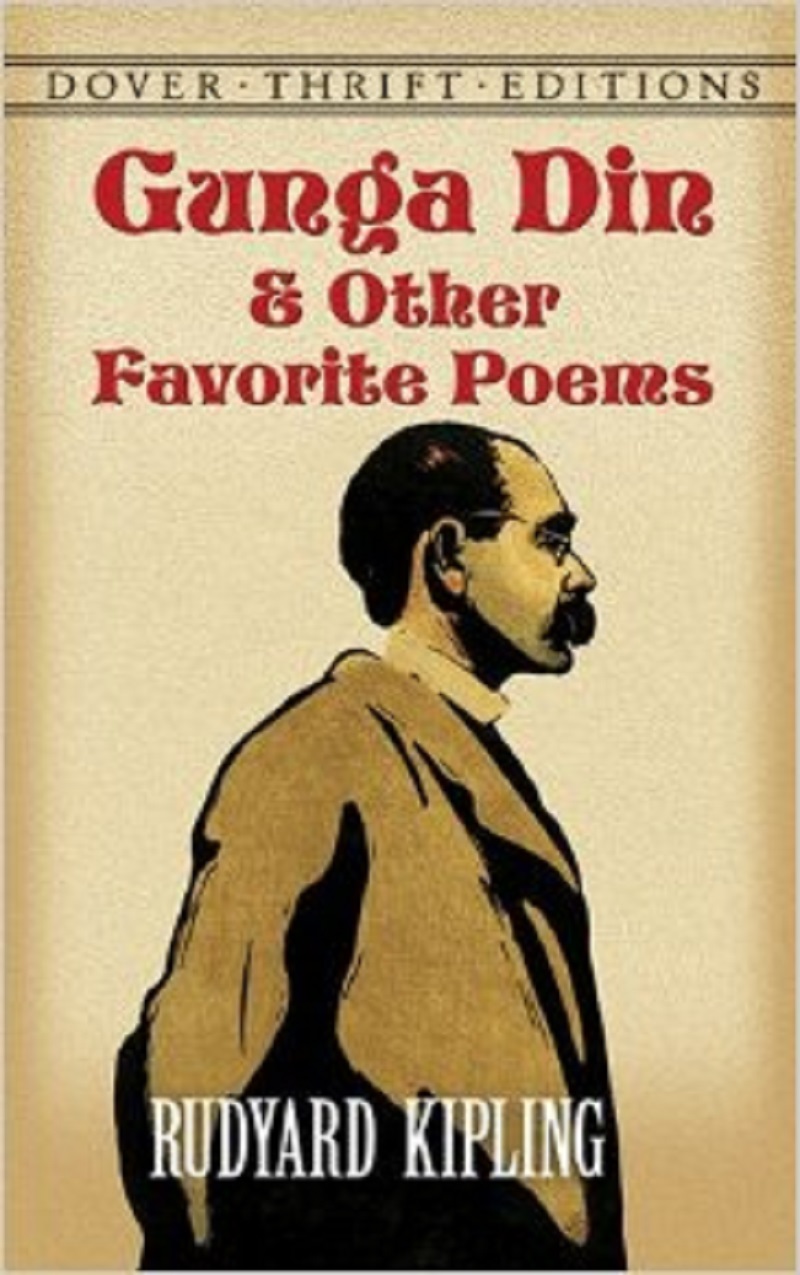
Thin curtains lifted by a stray breeze through the rolled out windows, lemon-colored sunshine floating with dust striping a ladder of light across the battered couch and damp linoleum floors, my mama’s pretty little doll-sized bare feet, and that mop. In the sharpest memory, she’s reciting Rudyard Kipling at the top of her lungs 🙂 the British turn of word melding perfectly with her lilting Appalachian accent, the cadence of her recitation keeping perfect time with the swish-swish-swoop of that raggedy string mop:

And it was Din! Din! Din!

You Lazarushian-leather Gunga Din!

Though I’ve belted you and flayed you,

By the livin’ Gawd that made you,

You’re a better man than I am, Gunga Din!

gunga din

Poe’s Annabelle Lee, Coleridge’s Kubla Khan, Whitcomb Riley’s The Raggedy Man, Longfellow’s Paul Revere, Cullen Bryant’s Thanatopsis, Edgar Guest”s Home:

 Home ain’t a place that gold can buy or get up in a minute; 

Afore it’s home there’s got t’ be a heap o’ living in it.

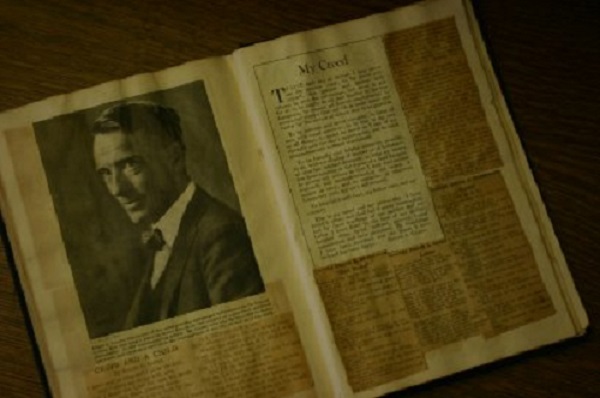
Edgar Guest showed up, too, when I doubted myself, was afraid to do something, try something new:

There are thousands to tell you it cannot be done,

There are thousands to prophesy failure,

There are thousands to point out to you one by one,

The dangers that wait to assail you.

But just buckle in with a bit of a grin,

Just take off your coat and go to it;

Just start in to sing as you tackle the thing

That “cannot be done,” and you’ll do it.

EdgarGuestMyCreed

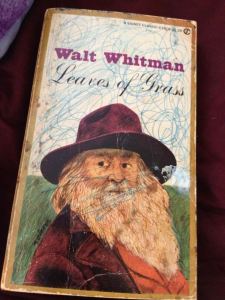
My daddy, too, reciting Shakespeare and Yeats, the hazel wood and stolen child, and always—always—he and Mama both returning to Whitman, Mama reciting whole long sections from Song of Myself–Clear and sweet is my soul, and clear and sweet is all that is not my soul—Daddy delivering O Captain! my Captain! rise up and hear the bells! in his persistent Brooklyn accent. I still have the beaten thin first copy of Whitman’s Leaves of Grass they gave me as a gift when I was barely ten.

whitman leaves of grass my book

Why does this matter to the book tour I’m building? Because more memories than I can tell you about my parents have them surrounded by books, and neither of my parents were academics. In fact, until I was sixteen, neither of my parents were college educated. Dad had started in seminary in New York, but left without finishing to marry my mama. Mama went to community college to finally get her nursing degree when I was fourteen, proudly finishing her associate’s as a registered nurse when I was sixteen. These two people, far from those insulated academic halls, could, at any given second, recite from memory more poetry, more passages from all the great books, than nearly all of the literati—academics or writers—I’ve met in the more than twenty years I’ve spent in the university community.

I had the privilege for more than a few years to chair the Dos Passos Prize for Literature at the university where I work, an award I’m fond of as its purpose is to recognize under-appreciated writers, particularly those at mid-career. The last time I stood on the stage to open the prize ceremony, I was ecstatic to be introducing the novelist Robert Bausch, one of my favorite writers and people. Bobby is heartbreakingly talented, relentlessly forthright, both in his art and in person, and brilliant—in the same ways my parents were brilliant. I remember wishing time and again that my mama especially could have met Bobby. She would have loved his work, if not his politics 😉 but man, would they have had a blast matching minds and wits!

That night, I looked out over the crowd in the auditorium on Longwood’s campus, seats filled with students, some of them willingly, others there for the promise of extra-credit from their teachers, faculty, present and retired, and a handful of local people who support our small campus events. I studied that crowd, glanced over at where Bobby sat waiting for his introduction, and suddenly, I thought:

Where were my parents?

Not literally. Both my parents had walked on by the night this event took place, but I wondered where the people like my parents were, why they weren’t there with us. My parents couldn’t be the only ones, people who weren’t academics who loved good literature, who loved poetry, right? In fact, I know they weren’t—and aren’t. I have friends, people both older and younger than me, who are not academics, without college degrees, all who read voraciously, who read everything from the canon to comic books, who can hold forth the same way my parents did, reciting and commenting on everything they’ve read with perspective and insight equal to any PhD, and from whom I learn from in every conversation. 

**The young man who works as a highway surveyor, with his dreadlocks and rugged work boots, who grows his own food determined to move toward self-sufficiency, plays guitar to his beloved dog, and can sit with you by a fire he’s built for conversations on everything from conservation theory to recited verses from the I Ching to statistics and details recalled from stacks and stacks of books on Appalachian history.

**The communications engineer whose work specializes in systems associated with nuclear power plants, an absolutely brilliant autodidact, self-taught in more areas than I could even list here, who draws up effortlessly snippets from Thoreau or Dawkins or Ovid or a whole Shakespearean sonnet delivered in his deep Carolina drawl.

**The soldier who has seen and survived four deployments, two to Iraq, two to Afghanistan, who has read literally hundreds of titles across genres since he began his career in the Army almost two decades ago at eighteen.

**The postmaster in the tiny tiny post office where I live, who has not only read as much as my parents, but who—I swear—seems to have read everything ever listed in the NYT and who also reads all of the critical reviews of the novels he loves as well. I make notes while we talk through the window, taking his reading suggestions tucked into my pocket when I leave.

**The woman who works at the gas station where I stop, who always asks what I’m reading as she rings up my purchases, and pulls out a piece of blank receipt paper so she can jot down titles I suggest, especially poetry, so she can take it when she goes once a week to our small local library. She smiles, sighs wistfully, and says. “I love poetry.”

An article in The Washington Post the other day announced yet again that poetry was dead, this time complete with the bar graphs and charts that I guess are supposed to make it inarguable. Yes, I’m another voice that, if I looked around at my own immediate world, would want to disagree. My day to day life is filled with poets, and writers, and readers, and I see events and initiatives and young slam poets and performance artists and other people doing amazing things like the Miami Poetry Festival to fill the world with beautiful words all the time. But….

but I can’t discount the article as much as I might want to, no matter how it hurts my poet’s heart. I can’t disagree because I’m still looking out at those audiences, in bookstores and university auditoriums, and not finding my parents, or my non-academic friends.

My dear-beautiful-sister-in-the-word, the crazy-talented poet Amy Tudor, in a conversation we had about the academic hostage-taking of poetry, astutely called it “the Echo Chamber Effect,” saying, “Being only able to publish in (and write for) academia is doing a lot of damage. People already think poetry’s elitist and “gated,” and that’s not helping.”

So, I guess I’m asking—Did the audience leave poetry? Or did we leave them?

Did we leave our audience—locking ourselves and the art away inside that academic Echo Chamber, away from the very people who taught their children to value it, to love it, like my parents?

And what can we do about it? As a teacher of young writers, in that very same insulated academic arena, this bothers me on more levels than anything having to do with my own work. When that twenty-year old poet flops in the chair in my office, excited to talk about revision of his latest work, more excited to begin planning for grad school applications, what do I tell him about the future of this art we both love so much? I know one teacher who openly discourages students from pursuing graduate work for a number of reasons; by his own admission, though, his main reason is the horrible employment market for academics. I understand that he’s trying to, as he puts it, be realistic with them, but isn’t he just furthering the insulation by assuming the only future is academic?

How do I respond to the parade of students I engage with daily who soooo love the literature, and who soooo want to write? I’ve always been what some would call brutally honest with my students—about revision, about the difficult odds of getting published, about the changing nature of publishing, dashing those romanticized notions they have of the glamorous writer’s life they imagine. They call it my Random-House-Is-Not-Looking-For-You speech. But do I tell them, as my colleague does, to give it up?

The word I’ve found myself using more and more often over the last ten years has been: Adapt.

plan b

More and more of the readership is to be found online, no matter how much we love the smell of a newly printed page. More and more it’s on us to go chase that readership down. More and more we have to imagine and create our own opportunities. More and more it’s on us, as artists, to quit, as another astute friend said to me in a conversation about all of this, “quit taking comfort in our martyrdom,” and take responsibility for our own creative lives, not just the making, not just the writing, but the getting-out-there-and-selling part too. Adapt or die—isn’t that the old adage?

This house-concert book tour is, for right now anyway, my attempt to practice what I preach.

Somebody said that it couldn’t be done

But he with a chuckle replied

That “maybe it couldn’t,” but he would be one

Wouldn’t say so till he’d tried.~Edgar Guest

Or maybe I’m just hitting the road with this box of books, because I really miss my literature-loving parents. Yeah, maybe that’s it too.

______________________________________

Links to cool people mentioned here ❤

The inimitable Robert Bausch! Check out his latest book: Far As the Eye Can See!   http://www.robertbausch.org/

Some of Any Tudor’s amazing work: http://www.connotationpress.com/a-poetry-congeries-with-john-hoppenthaler/2011/april-2011/812-amy-tudor-poetry

Miami Poetry Festival: “To have great poets, there must be great audiences too.”~Walt Whitman http://www.omiami.org/festival

_______________________________________

Next up: Do we dare….talk about value? 

A Poet’s Gotta Do What a Poet’s Gotta Do (Or What Would Walt Whitman Do?)

The answer to my Oh-what-to-blog-what-to-blog anxiety arrived today.

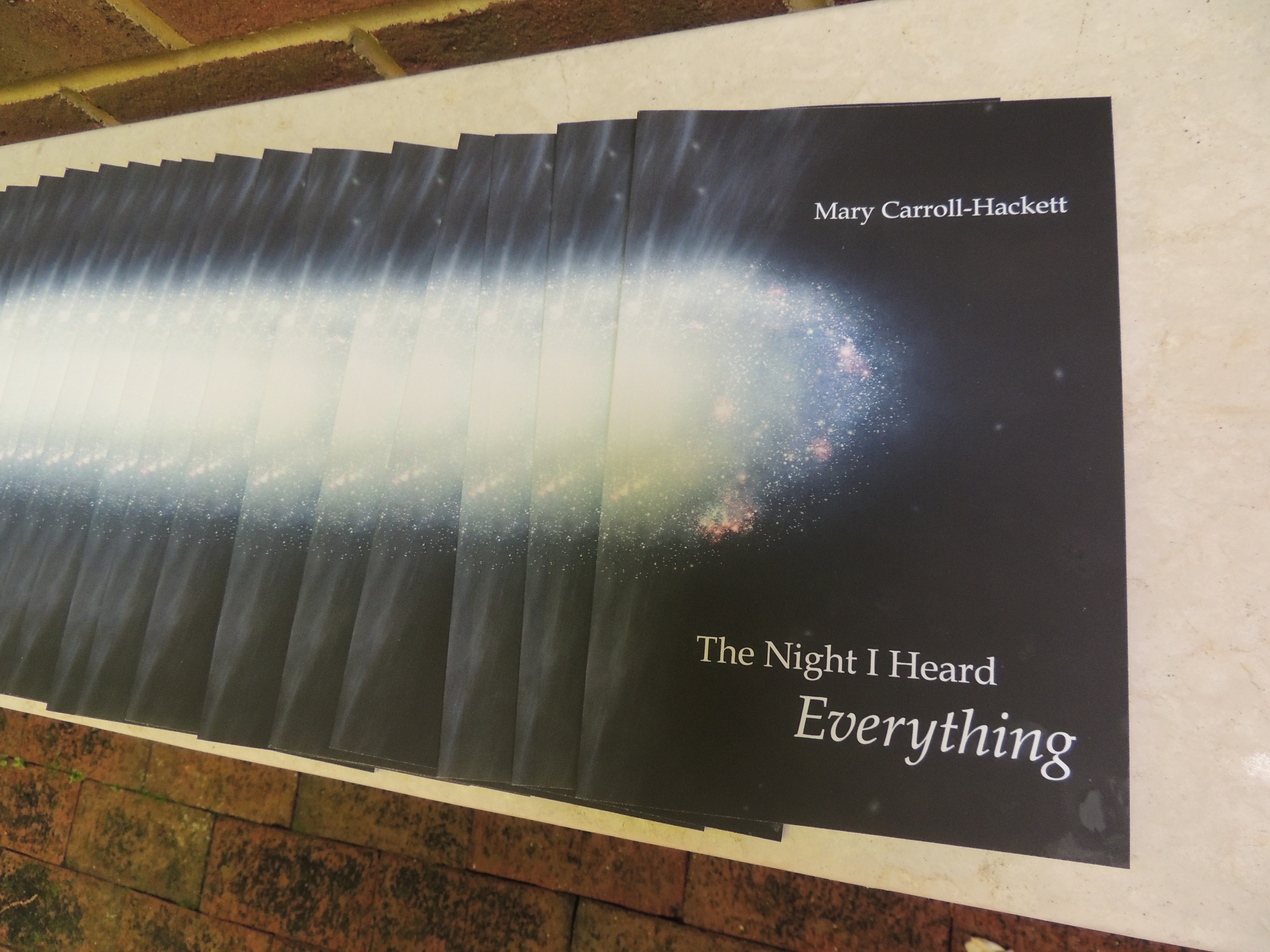
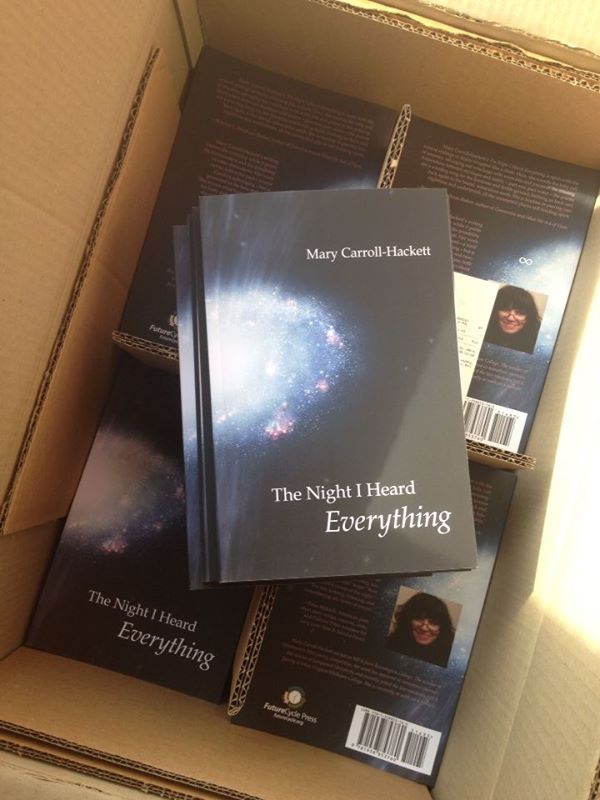
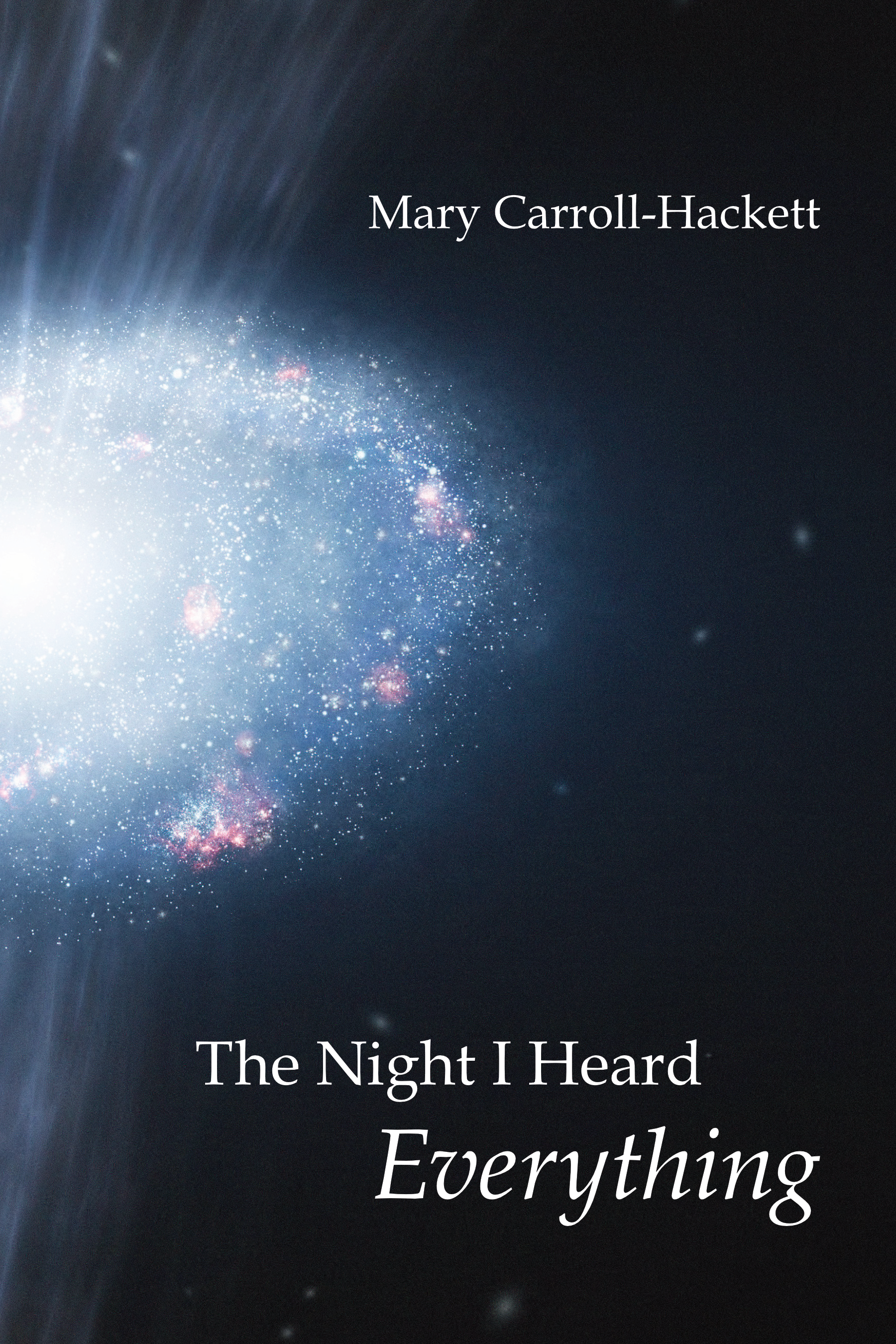
Our usual UPS man backed into our gravel drive as he always does, coming to the little stone house in the trees in Virginia, setting my dogs off into an excited  leap-and-bark-fest, which he ignored, as he always does, and smiled as he handed over a large box to me on our stoop, hurrying away to finish his route. I didn’t even wait to get the shipping box inside. I had grabbed a pair of scissors when I heard the rumble of the big truck outside, and as he left, I knelt right on my stoop and cut the box open, too excited to wait! My new book of prose poems, The Night I Heard Everything, from the tremendously talented editor Diane Kistner and amazing other good folks at FutureCycle Press, had arrived.  The sun hit the photo of the galaxy being born on the cover, and I literally cried with joy at seeing it.

10922772_10205785342340068_9094465091847228482_n

The road back to poetry ran long for me, the forever scribbling middle school girl in Catholic school plaid learning iambic pentameter during sixth grade recess from one magically dedicated teacher disappeared into the should-be’s and not-that’s of life in my non-writing twenties, dropping out of college to get married and divorced, and married again, and having babies, and working on factory floors and in offices, because–poetry couldn’t really be your job. 

I couldn’t actually be a poet…right? But here, fresh from the big brown truck, a collection of poetry, mine.

Now—what to do with them? The world’s not banging down the doors for poets these days, and on so many levels (ohhh the academic gods are gonna strike me down!) the way poetry has become so insulated (held hostage?) by academe over the years really bothers me.

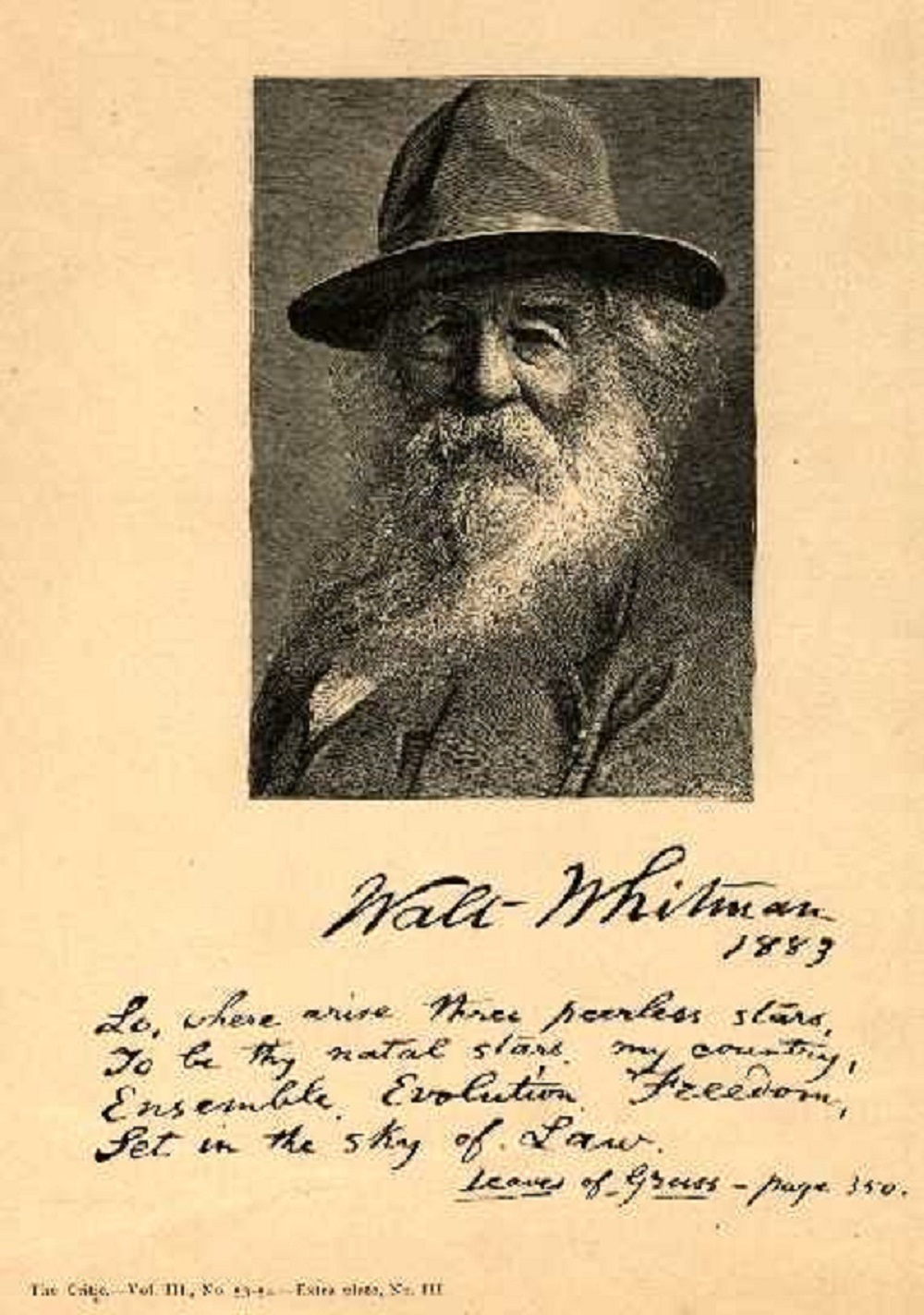
I learned to love poetry from my parents, neither of whom held a four year degree. My mama recited everyone from Wordsworth to Kipling to Poe while she mopped our trailer floors, and my daddy recited Yeats, that fearless Aengus and the hazel wood as easily as he called us to supper. The poet who first brought me to my knees, Walt Whitman, self-published Leaves of Grass and spent his time in the world, teaching in a one-room school house, working as a journalist, as a paymaster, volunteering in war hospitals, and working for the Indian Bureau. Reading Whitman even as a sixth grader I understood how in the world, how in love with the world out there he was.  I always imagined him in those hospitals, or at the docks, or strolling through a street fair, memorizing all those beautiful faces he creates such a miraculous litany of in “Song of Myself.”

So, as this new book made its way into being, I thought What would Walt Whitman do? 

Whitman,_Walt_(1819-1892)_-_1883_-_Engraving

We don’t have a ton of street fairs these days, and I live in the trees in small-town Virginia, far from the old heralded bastions of literary society. In fact, my town doesn’t even have a bookstore other than the one connected to the university. Not a lot of traditional literati in these parts.

But you know what we do have?

Music.

House concerts.

I adore them. I go any chance I get, even driving the couple of hours back home to North Carolina, for the chance to ante up my $15 to sit in someone’s temporarily transformed living room or backyard, in support of a concert by some  fabulous indie musician I might never have had the chance to hear otherwise. I love it! I get to feed my live music addiction AND support another artist in the process.

What’s not to love?

And…um, why aren’t writers doing the same thing?

So…Modeling on the genius and proactivity of all those indie musicians I love so much, and THANKS (no words for the gratitude) to some amazingly generous hosts, I’ve built a book tour for this new book on the model of the house concert,  with readings scheduled so far in Virginia, West Virginia, North Carolina, Kentucky, and Georgia.

Welcome to THE HEARD EVERYTHING INTERSTELLAR BOOK RELEASE TOUR!

Interstellar because my hosts, the generous loving folks, (many of them artists themselves–writers, musicians, visual artists–but not all), who are opening their hearts and homes not only to me, but to a new path for poetry, are the REAL STARS.

Gonna put that box of poetry and my little red car on the road this summer, out there, and blog the adventure.

And I hope you’ll come along for the ride!

Love from here 🙂 ❤

Mary

Let's get Interstellar, y'all! <3

Let’s get Interstellar, y’all! ❤

_______________________________________

Next up: So how does this whole house concert thing work anyway?

Author of The Real Politics of Lipstick, If We Could Know Our Bones, and The Night I Heard Everything


Mary Carroll-Hackett’s work is alive with the language of the heart.

It is angry, sad, celebratory, DSCN2880sexy, erotic, reverent and irreverent in equal degree. The voices on these pages are distinct, and human, and so accessible, you can see the whole world through the prism of these poems. Mary Carroll-Hackett wields the prose poem as a cudgel or a caress, as a song, or a meditation, a prayer or a curse. She is as fine an artist with this form as we have in our time. 

~Robert Bausch, author of Far As the Eye Can See,  Almighty Me (optioned for film and eventually adapted as Bruce Almighty), A Hole in the Earth (a New York Times Notable and Washington Post Favorite Book of the Year), and Out of  Season.

Forthcoming Work from Mary Carroll-Hackett

April 2015 

The Night I Heard Everything

FutureCycle Press

“Mary Carroll-Hackett knows what love means, both for body and soul. She knows about the riches of listening as well as the rewards of watching. For her, looking, listening, and remembering are forms of prayer. With an intense focus on language that is sharp, precise, and rhythmic—she reminds us…”~Peter Makuck

Front Cover 1 (2)--fixed
Thanks and love to Editor Diane Kistner and all the beautiful folks at FutureCycle Press.

http://www.futurecycle.org/index.php/en/catalog/by-author

Other Titles

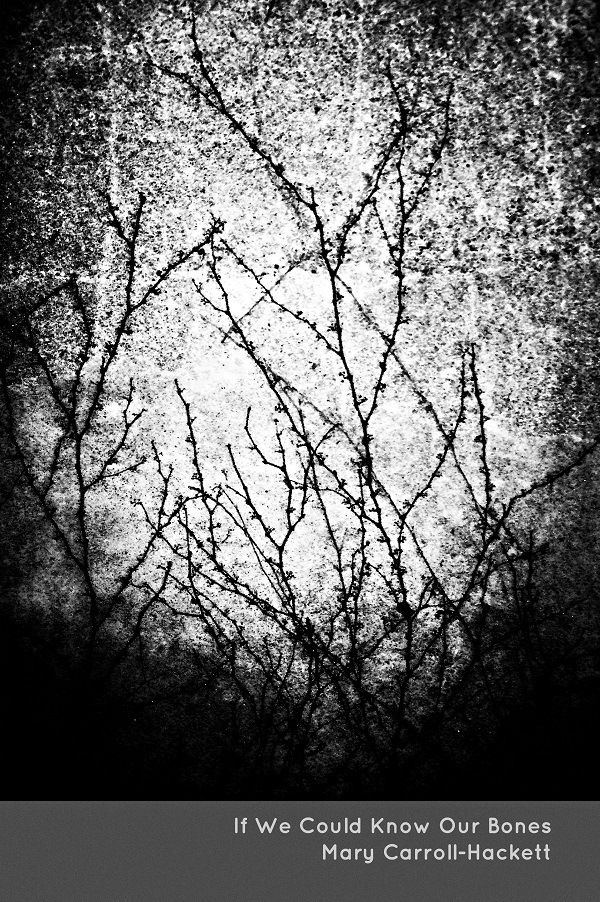
If We Could Know Our Bones
bones a-minor cover

“These prose poems offer us shelter and meaning in the everyday, yet reach out to brush the hair back out of the face of the immortal as if to say, “God, let me see your eyes.” Intimate and strange they occupy a place thumping within the physical human heart and the other heart we cannot fathom.”~ Jerry D. Mathes II

 A-Minor Press, 2014

Thanks and love to Editors Nicolette Wong, Walter Bjorkman, and all the beautiful folks at A-Minor Press.

Available at: http://aminorpress.com/titles/

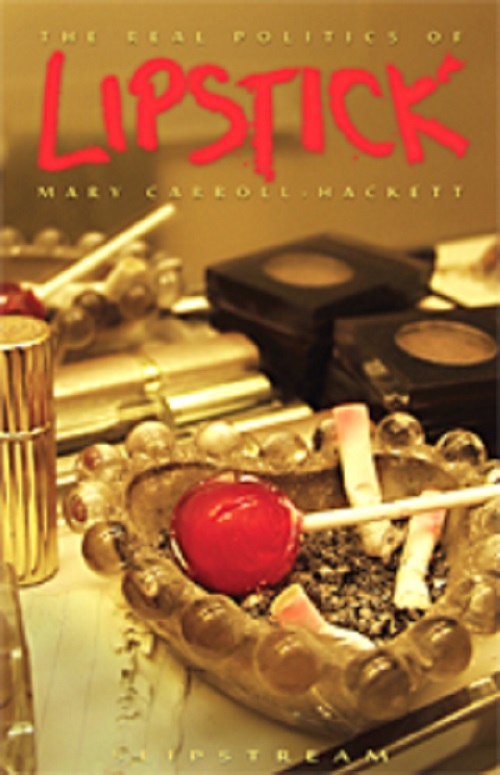
The Real Politics of Lipstick

lipstick


“This work is unlike any other, in its range of rich, conjuring imagery and its dexterity, its smart voice. Carroll-Hackett doesn’t spare us—but doesn’t save us—she draws a blueprint of power and class with her unflinching pivot: matter-of-fact and tender.” —Jan Beatty

 Slipstream Press, Winner 2010 Poetry Competition.

Thanks and love to Editor Dan Sicoli and all the beautiful folks at Slipstream.

Available at: http://www.slipstreampress.org/lipstick.html


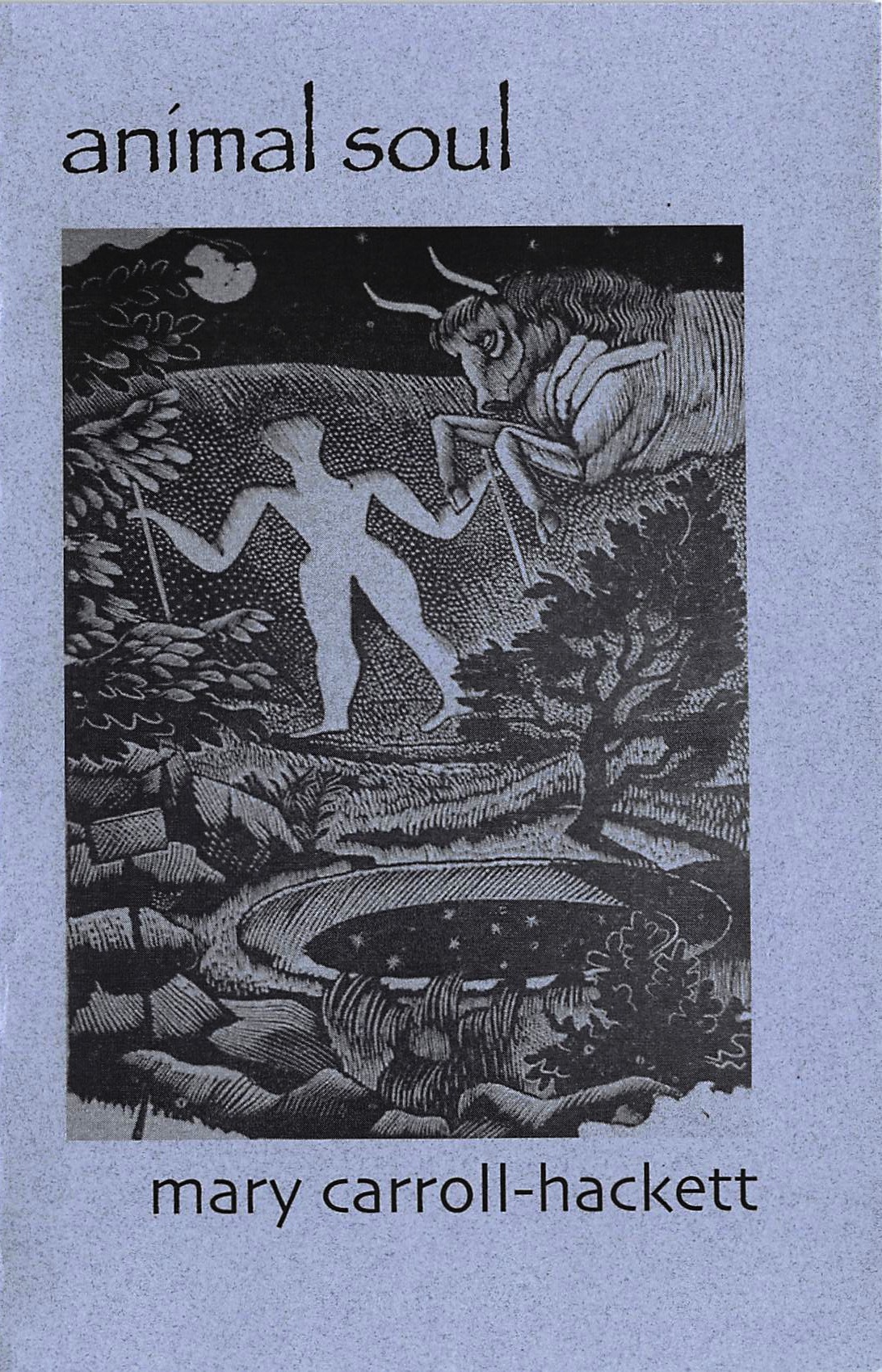
Animal Soul 

Carroll-Hackett-cover1

“In her new collection, Animal Soul, Mary Carroll-Hackett does not just give us “the colon before the list of truest things.” She begins that list for us, with poems like “Galileo’s Fingers,” “Six Rules For Devils,” and “This Bread, Those Beans.” ~Sammy Greenspan

 Kattywompus Press, 2013.

Thanks and love to all the beautiful folks at Kattywompus.

Available at:  http://kattywompuspress.com/shop/books-and-chapbooks/animal-soul-by-mary-carroll-hackett/


 ______________________

BIO

Mary Carroll-Hackett earned Bachelor’s degrees in Philosophy and Anthropology and a Master’s of Arts in English/Creative Writing from East Carolina University, then went on to earn an MFA in Literature and Writing from Bennington College. Her poetry and fiction have appeared in more than a hundred journals including Carolina Quarterly, Clackamas Literary Review, Pedestal Magazine, The Potomac, Reed, Superstition Review, Drunken Boat and The Prose-Poem Project, among others.

Her awards include being named a North Carolina Blumenthal Writer and winner of the Willamette Award for Fiction. Her scripts have won or placed in numerous competitions, including Best Screenplay at Moondance, the Great Lakes Film Festival, Beaufort Film Festival, American Gem, Gimme Credit, the Page Awards, and Wildsound. The National Center for Film in Toronto staged a reading of her script OBX in 2008. She had an O Henry Recommended recognition for her story “Placing.”

Her first chapbook, Three, was released in 2004, and her first collection of stories, What the Potter Said, in July 2005. The Real Politics of Lipstick was named winner of the 2010 annual poetry competition by Slipstream. A chapbook,  Animal Soul, was released in 2012 from Kattywompus Press, and a full-length collection, If We Could Know Our Bones, by A-Minor Press in January 2014.  Another full collection is forthcoming in April 2015, The Night I Heard Everything, from FutureCycle Press, as well as a chapbook, Trailer Park Oracle, from Aldrich Press in November 2015.

Mary founded and for ten years edited The Dos Passos Review, Briery Creek Press, and The Liam Rector First Book Prize for Poetry. She also co-founded and launched SPACES, an innovative online magazine of art and literature, featuring videos of writers reading. Mary regularly teaches workshops and seminars on Writing Through the Chakras, Writing the Spiritual Life, Writing the Body, and Writing the Mother, Mothering the Writer.

She has taught writing for nearly twenty years, and in 2003, founded the Creative Writing programs, undergraduate and graduate, at Longwood University in Farmville, VA, serving as Program Director of those programs until Fall 2011.  Most recently, she joined the low-residency faculty for the MFA program at West Virginia Wesleyan.

Mary is currently at work on a memoir.

Tag Cloud